
Boston Medical Center and University of Chicago Medicine ranked high in the Lown Institute’s list of racially inclusive hospitals. Leaders share their insights.
Boston Medical Center and University of Chicago Medicine ranked high in the Lown Institute’s list of racially inclusive hospitals. Leaders share their insights.

The think tank ranked the hospitals that fared best in opening its doors to all. The institute also identified metro areas with high segregation.

The voluntary program is designed to help hospitals curb their emissions and expand their work to combat climate change. Leaders also point to potential cost savings.
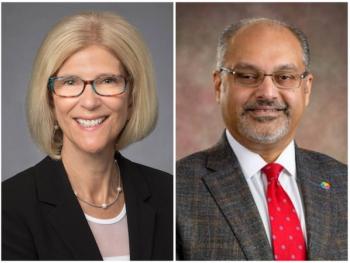
The CEOs of Froedtert Health and ThedaCare talks with Chief Healthcare Executive about the planned merger, their similar goals and philosophies, and why they say it’ll work.

They plan to build a new hospital for cancer patients in Boston. The new collaboration signals Dana-Farber is moving on from a long relationship with Brigham and Women’s Hospital.
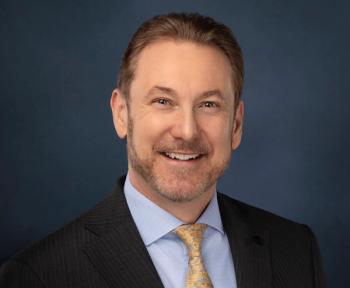
Aspirus Health CEO Matt Heywood talks about the importance of being proactive, especially as he sees a difficult environment for hospitals in the years ahead.

Union workers have authorized a strike if there’s no contract by Sept. 30. It could be the largest healthcare worker strike in American history.

Advocates want healthcare workers to get federal protection, similar to airline employees. Healthcare leaders say more doctors, nurses and other staffers have been attacked in recent years.

Beginning in October, a key program offering federal funds to safety net hospitals is slated for a reduction of $8 billion. More than 250 hospitals have asked Senate and House leaders to block the cuts.

University of Florida Health has brought Flagler Health+ into the academic system. It will now be known as UF Health St. Johns.

With the observance of National Suicide Prevention Week, Sarah Wells of the American Association of Critical-Care Nurses talks about self-care, getting help and how hospitals can help their staff.

Advocates for health systems say a CMS proposal is insufficient, as hospitals continue to grapple with higher costs.
In an interview with Chief Healthcare Executive, he discusses the planned merger with St. Luke’s in Duluth, buying several hospitals from Ascension and expanding care in rural areas.

The health system and the retailer have seen good results in remote care management. Best Buy has been aiming to make a mark in healthcare.

The American Hospital Association, the American Medical Association, and the Medical Group Management Association say the reductions would hurt providers.

For the first time, the organizations plan to honor those providing top-notch care for patients with diabetes. Leah Binder, Leapfrog CEO, talks about the new program and why she says it’s so important.

A presidential advisory panel recommends the White House take action to lower the number of harmful events in hospitals. Patient advocates offered praise.

The government has proposed new steps to ensure providers aren’t denying services. Advocates say people with disabilities too often encounter hurdles to get care.

The large hospital avoided damage from Hurricane Idalia. The organization has developed detailed plans to deal with flooding, power losses and other disruptions from storms.

Researchers completed the first comprehensive analysis on telemedicine in skilled nursing facilities. Many nursing homes aren’t utilizing virtual visits.

The midwestern hospital system and the physician group are striving to restore full systems. They’re caring for patients, but some services have been affected.
The boards of Froedtert Health and ThedaCare have approved an agreement to form a combined system with 18 hospitals. They plan to come together at the start of the new year.

Disparities persist in mortality by race, researchers found. Improved readiness for pediatric care in hospitals appears to reduce disparities, but a gap still remains.

The company is working with the hospital system to help physicians have an easier time with documenting patient encounters. The firm’s CEO sees potential beyond documentation.

Pritesh Gandhi, chief community health officer of Walmart, says hospitals and healthcare organizations need to work on long-term solutions, which is admittedly difficult.

The 30-second spot, which is slated to appear nationally starting today, warns that reduced federal aid will hurt patient care.
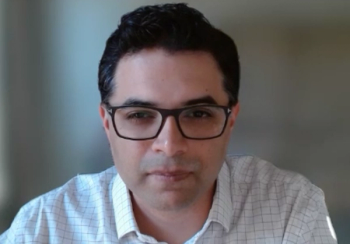
In an interview with Chief Healthcare Executive, Pritesh Gandhi talks about addressing the social drivers of health at a large scale.

A bipartisan bill would potentially give the Department of Health and Human Services a role in weighing the impact of hospital and healthcare consolidations.
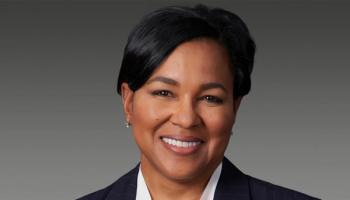
The pharmacy chain says that Rosalind Brewer and the board mutually agreed on her exit. The company is now seeking a leader with a deep background in healthcare.

The government says the proposal will help residents and staff. Nursing homes and hospitals say the move could force some facilities to close.