
AI News
Latest News









Shorts





BPD Health




Leadership Academy
Lead Through Change

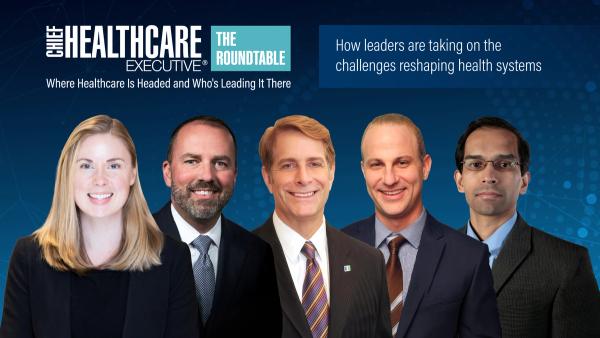
Reshaping Health Systems
Five healthcare leaders on navigating workforce, reimbursement, and tech disruption.
Uncertain funding
Hospitals may see more cuts from Washington

Featured Interviews from Becker's Healthcare 16th Annual Meeting
Top health executives share insights on the future of care

The silver tsunami
Health systems must prepare for an aging America

All News

Two major cyber incidents develop just days apart. Here's what to ask your team.

Our panel examines what the next Congress can do to address rising costs and give providers more incentives to keep people healthy.

The Indiana health system reached another hospital affiliation agreement with Goshen Health and is planning to acquire Ovation Healthcare.
Our panel looks at restoring funds to Medicaid, the potential for cuts and closures of health systems, and the Affordable Care Act.

Risant has signed an agreement to acquire INTEGRIS Health in Oklahoma. Kaiser Permanente has said Risant is looking to add more community hospitals.
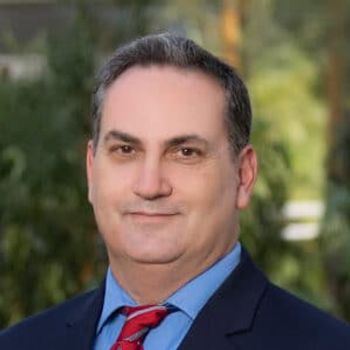
Rex Hoffman, MD, chief medical officer of Providence Holy Cross Medical Center in Los Angeles, talks about lessons he has learned.

Our panel of experts analyzes the midterm elections. They look at changes in Congress and how federal spending could be affected.

Hackensack has reached a definitive agreement to acquire Hunterdon Health and has pledged to invest $230 million in upgrades.

The solution to resolving health system technology adoption is already in the building.
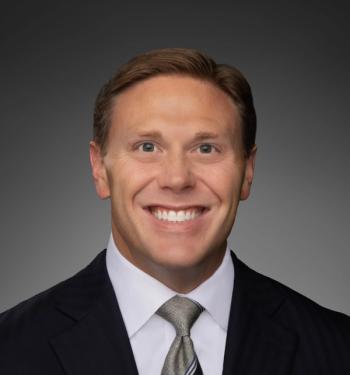
He spoke with us about plans to invest nearly $600 million in the Minnesota system, upgrading facilities and the alignment between the organizations.

Sanford Health has finalized its merger with North Memorial, and other big deals are in the works.

Dr. Ty Gluckman of the Providence Heart Institute in Portland discusses how health systems can help patients reduce risks of heart attack or stroke.

MaineHealth and Tufts University School of Medicine are working to train more doctors to practice in the state.
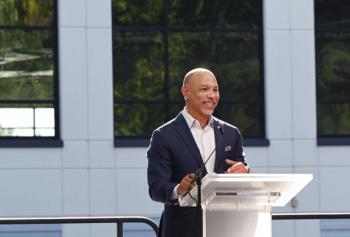
The health system says it’s building a hospital and expanding virtual care to meet rising needs in Charlotte and beyond.

The pace of mergers isn’t showing signs of slowing down, as health systems engage in more deals and bigger transactions.
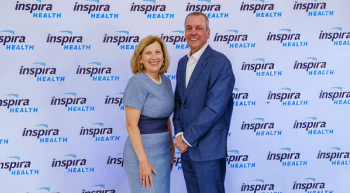
Amy Mansue plans to step down after leading the New Jersey system for six years. Warren Moore will take over in January.
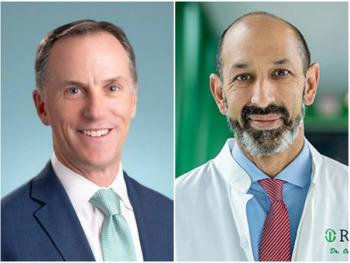
The two Chicago area systems say they hope to finalize the deal by early 2027. Endeavor has pledged a $1B investment.
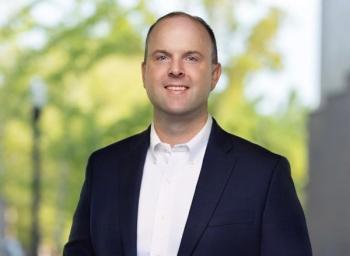
Dr. Claude Pirtle, president of Heartland Whole Health Institute, talks with us about an effort to help hospitals set up and sustain programs.
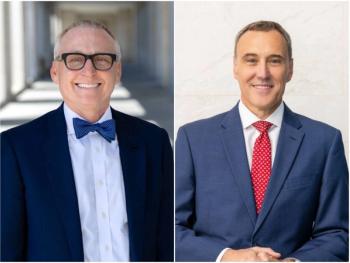
The systems are forming a joint venture and seeking the approval of North Carolina regulators to build the facilities.

The pediatric system offers housing, job and financial programs so families and kids can be healthy.

A new American Hospital Association report outlines dangers to rural hospitals that could lead to more closures.

This year, the Cancer Vaccine Coalition joined the Parker Institute. Leaders tout the potential for new breakthroughs.

A new law taking effect next year is designed to ensure that physicians can use their own judgment when AI tools make suggestions.

Operating margins remain constrained for many health systems, but performance and pressures vary by region.

Health systems say the federal government’s planned rebate program would add $1 billion in administrative costs and hurt rural communities.
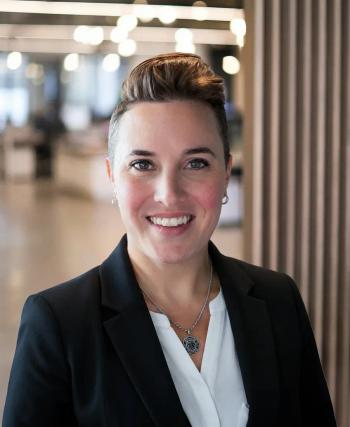
BPD Health’s new report finds patients want enrollment guidance from sources they trust. Health systems should be one of them.

A new survey shows 1 in 4 U.S. adults owe a medical debt. Michael Karpman of the Urban Institute talks about how hospitals can help.

A new report offers disturbing and surprising findings on a survey of Americans with medical debt.

How rural hospitals can navigate Medicare Advantage disputes, network adequacy rules, and reimbursement challenges.

The legislation is designed to make care more affordable, but it brings some challenges.

Laureen T. Driscoll, leader of Providence’s south division, will take over as head of the Pennsylvania system in January.
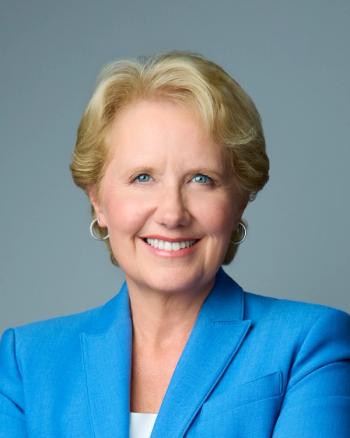
Karen Hanlon, the firm’s president, will be the next CEO, with David Holmberg becoming executive chairman.
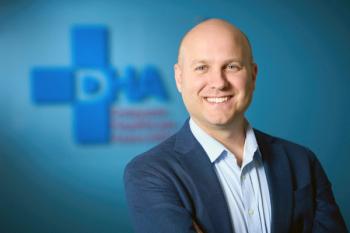
Brian Frazee, president and CEO of the Delaware Healthcare Association, talks about funding challenges and serving a growing population.